Introduction
Today's property buyers expect instant answers. Whether they are searching for high-rise apartments, luxury villas, modern office spaces, or expansive commercial properties, they want accurate information immediately. If they do not receive a quick and helpful response, they often move on to another developer or agency with a more responsive digital presence.
Despite this clear shift in consumer behavior, many real estate companies still rely heavily on static contact forms, missed phone calls, or delayed email responses. As enquiry volumes grow—driven by digital marketing campaigns and global interest—sales teams spend an increasing amount of time answering repetitive, basic questions rather than focusing on building meaningful relationships with qualified, high-intent buyers.
This widening gap between buyer expectations and traditional sales execution is why the best conversational ai for real estate has rapidly transitioned from an experimental concept to a foundational technology for modern property businesses. In this comprehensive guide, we will explore why the industry is shifting, how AI is fundamentally changing the way real estate is sold, and objectively compare the top platforms available to property developers and agencies today.
The Biggest Change Happening in Real Estate Sales
To understand the necessity of a business-grade AI solution, we must first examine the evolving landscape of real estate sales.
The modern property buyer is fundamentally digital-first. In previous decades, the property discovery process often began with a physical visit to a broker's office or a developer's site. Today, up to 90% of the initial property research occurs online. Buyers are scrutinizing floor plans on mobile devices, taking virtual tours on tablets, and comparing pricing across multiple developer websites simultaneously.
This mobile-first behaviour has cultivated an environment where patience is exceptionally low. A prospective buyer who clicks on an advertisement for a new luxury development at 10:00 PM on a Sunday expects to find out the square footage, the price range, and the possession date right then and there. They do not want to wait until the sales office opens at 9:00 AM on Monday. By the time Monday morning arrives, their attention has often shifted, or worse, they have already engaged with a competitor who provided the information instantly.
From a business perspective, the customer experience is now the primary differentiator. If a developer's website cannot effectively communicate the value proposition of a project instantly and interactively, marketing ROI suffers. A superior customer experience at the top of the funnel directly translates into higher conversion rates at the bottom.
Why Traditional Lead Handling No Longer Works
The reliance on traditional lead capture methods is creating a significant bottleneck in the real estate sales pipeline. Let's analyze why these legacy systems fail under modern demands.
Static Contact Forms: Forms create friction. They demand information from the user without offering immediate value in return. When a user fills out a "Contact Us" form, their inquiry enters a queue. This creates a black hole of communication where the buyer is left wondering if or when they will be contacted.
Manual Follow-Up and Missed Opportunities: When leads rely on manual follow-up via phone calls or emails, the response time is inevitably slow. The probability of qualifying a lead decreases exponentially if the response time extends beyond five minutes. Furthermore, sales teams operating strictly during business hours miss out entirely on the significant volume of inquiries generated during evenings and weekends.
Lead Leakage: This combination of slow response times, missed calls, and friction-filled forms results in massive lead leakage. Marketing teams spend vast budgets driving traffic to landing pages, but if that traffic cannot easily and instantly get the answers they need, the investment is wasted. Sales teams are left frustrated, sifting through cold leads, while genuine buyers slip through the cracks.
What Is Conversational AI?
To solve these bottlenecks, the industry is turning to AI Chatbots for Business. But it is essential to distinguish between legacy technology and modern capabilities.
Conversational AI refers to technologies that enable machines to understand, process, and respond to human language naturally. Unlike simple scripts, it utilizes Large Language Models (LLMs) and Generative AI to comprehend the intent behind a user's question, even if it is phrased unusually or contains typos.
At its core is Natural Language Processing (NLP). NLP allows the system to dissect complex sentences. For example, if a user asks, "I'm looking for a 3-bedroom place near downtown under $1.5M, but I need it to have parking," the conversational AI parses out the specific parameters: property size (3-bedroom), location (downtown), budget limit ($1.5M), and specific amenity requirement (parking).
Crucially, these systems provide context-aware conversations. If the user subsequently asks, "How far is that from the train station?", the AI remembers that "that" refers to the specific property discussed in the previous message. This represents a massive leap forward from the frustrating, rigid, rule-based chatbots of the past.
Conversational AI vs Traditional Chatbots
The distinction between a modern AI Chatbot vs ChatGPT style generic responses and a legacy chatbot is stark, particularly in a high-value industry like real estate.
| Capability | Traditional Rule-Based Chatbots | Conversational AI Platforms |
|---|---|---|
| Natural Language Understanding | Fails when users deviate from programmed buttons or specific keywords. | Understands complex sentences, intent, and conversational nuances. |
| Context Awareness | Zero context. Treats every new message as an isolated event. | Remembers previous inputs and references them intelligently. |
| Personalization | Delivers identical, generic scripts to every visitor. | Tailors responses based on the specific property page the user is viewing. |
| Lead Qualification | Acts like a conversational form, forcing users through rigid steps. | Dynamically adapts questions based on the user's previous answers to gauge genuine interest. |
| Property Recommendations | Generally impossible or requires manual link dropping. | Searches live inventory and suggests specific units matching criteria. |
| Human Handoff | Often clumsy, resulting in dropped chats or lost information. | Seamlessly alerts agents for high-value leads and provides full chat transcripts. |
| Learning Capability | Requires manual reprogramming for every new project update. | Ingests new brochures, PDFs, and website data automatically to stay updated. |
How Conversational AI Is Transforming Real Estate
The practical application of this technology in the real estate sector yields immediate, measurable business results across several core functions.
Capturing Website Enquiries and Qualifying Buyers
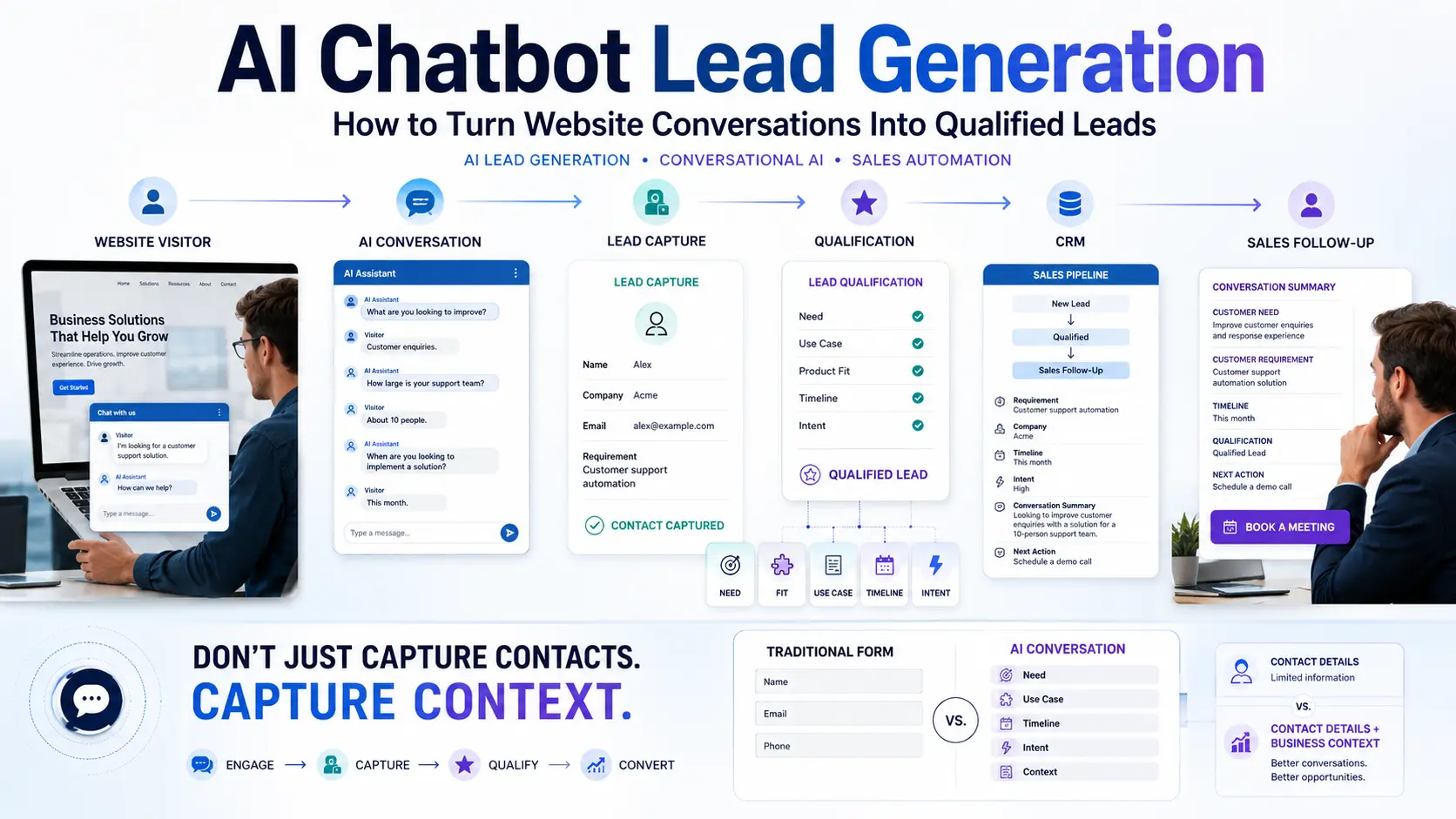
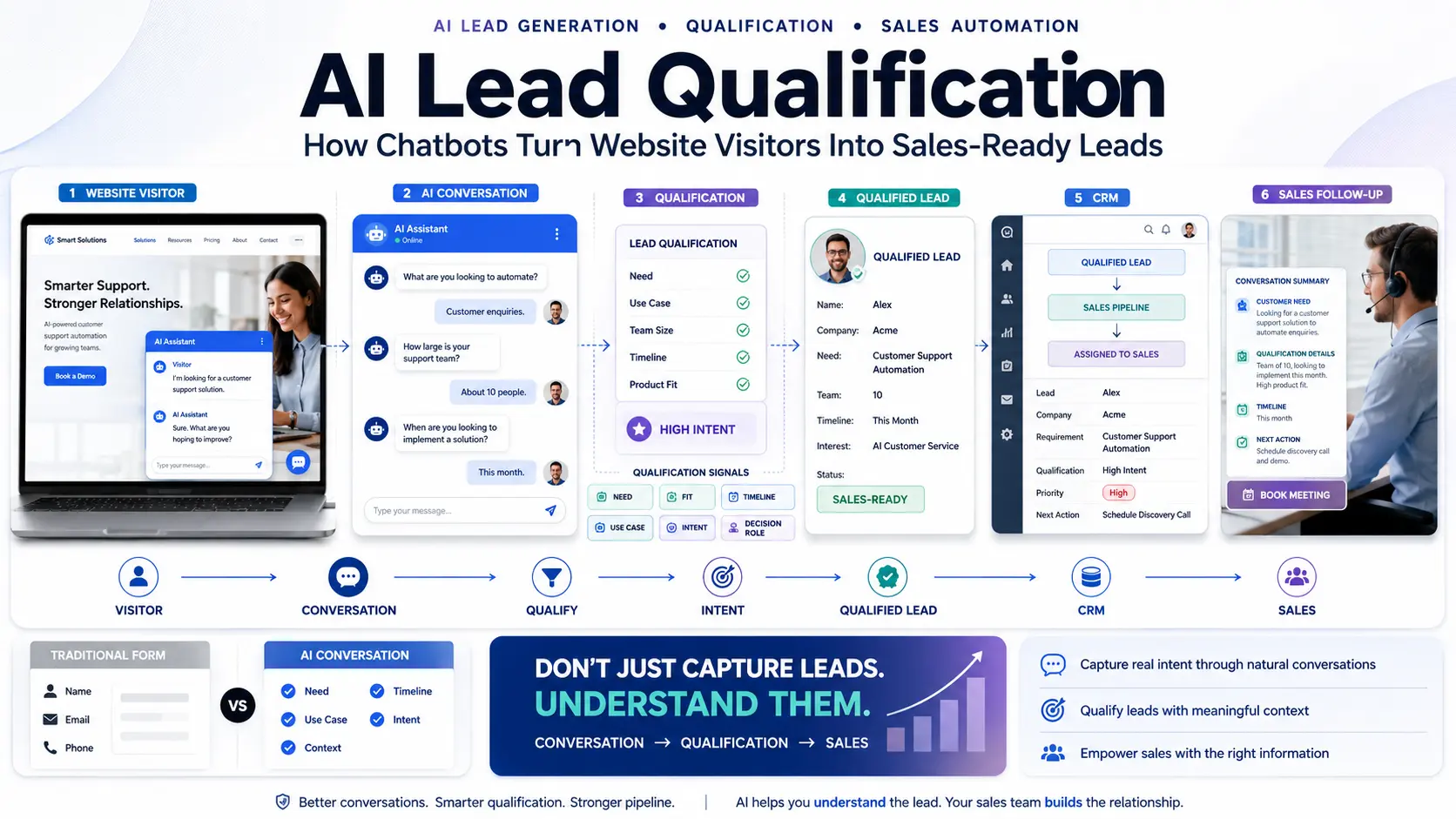
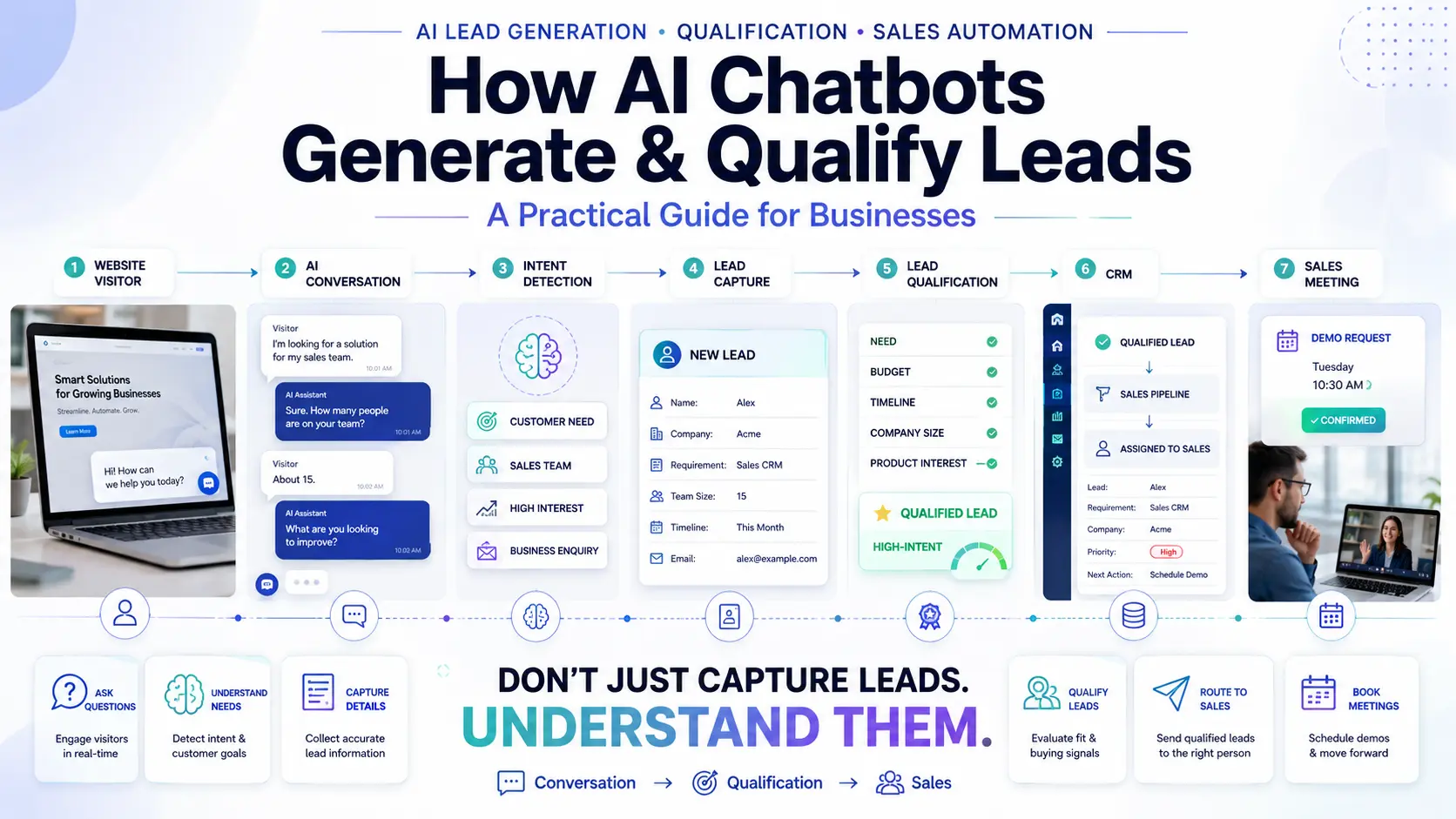
A sophisticated lead generation chatbot acts as a digital concierge. Instead of passively waiting for a form submission, it actively engages visitors. By asking strategic questions—"Are you looking for an investment property or a primary residence?" or "What is your anticipated move-in date?"—it categorizes the lead's urgency and budget. This prevents sales teams from wasting hours chasing unready buyers.
Recommending Properties and Explaining Pricing
When a user expresses a vague interest, the AI can present specific floor plans and brochures. If the buyer asks, "Why is the 3-bedroom unit significantly more expensive on the 20th floor?", the AI can instantly reference the premium view, higher ceilings, or specific amenities associated with that tier, justifying the pricing dynamically.
Booking Site Visits
The ultimate goal of early-stage engagement is getting the buyer to the property. Conversational AI integrates with calendar tools to allow buyers to select a time slot for a physical or virtual tour immediately, bypassing the tedious back-and-forth email scheduling process.
Connecting to Sales Teams and 24/7 Support
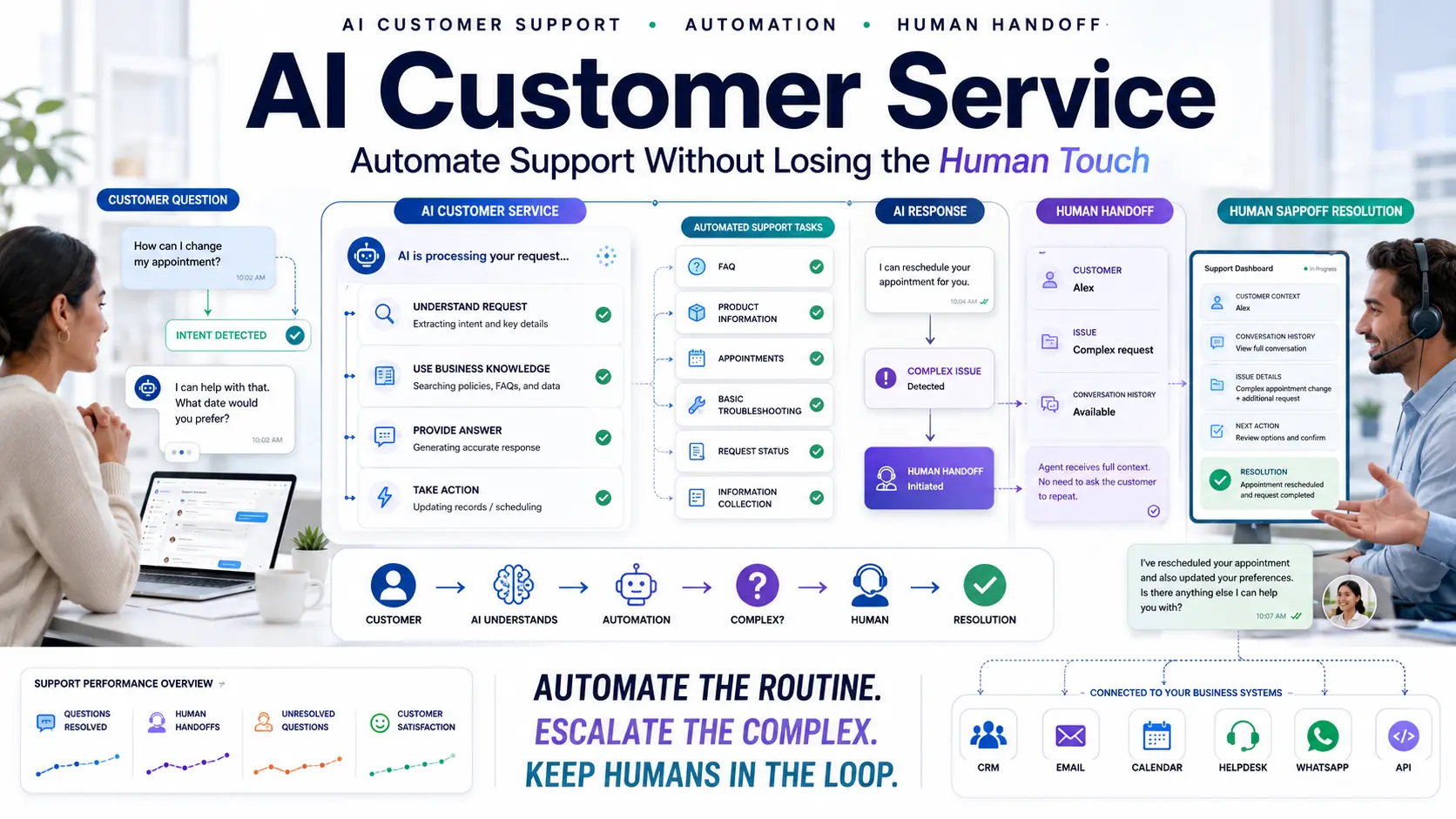
Not all transactions can be automated. When an ai chatbot for property developers identifies a high-net-worth individual or a highly qualified lead, it can trigger an instant alert to the senior sales team, allowing them to take over the chat live. Furthermore, for post-sale queries, an customer support chatbot can answer FAQs about payment schedules, possession dates, and maintenance 24/7 in multiple languages.
How We Evaluated the Best Conversational AI Platforms
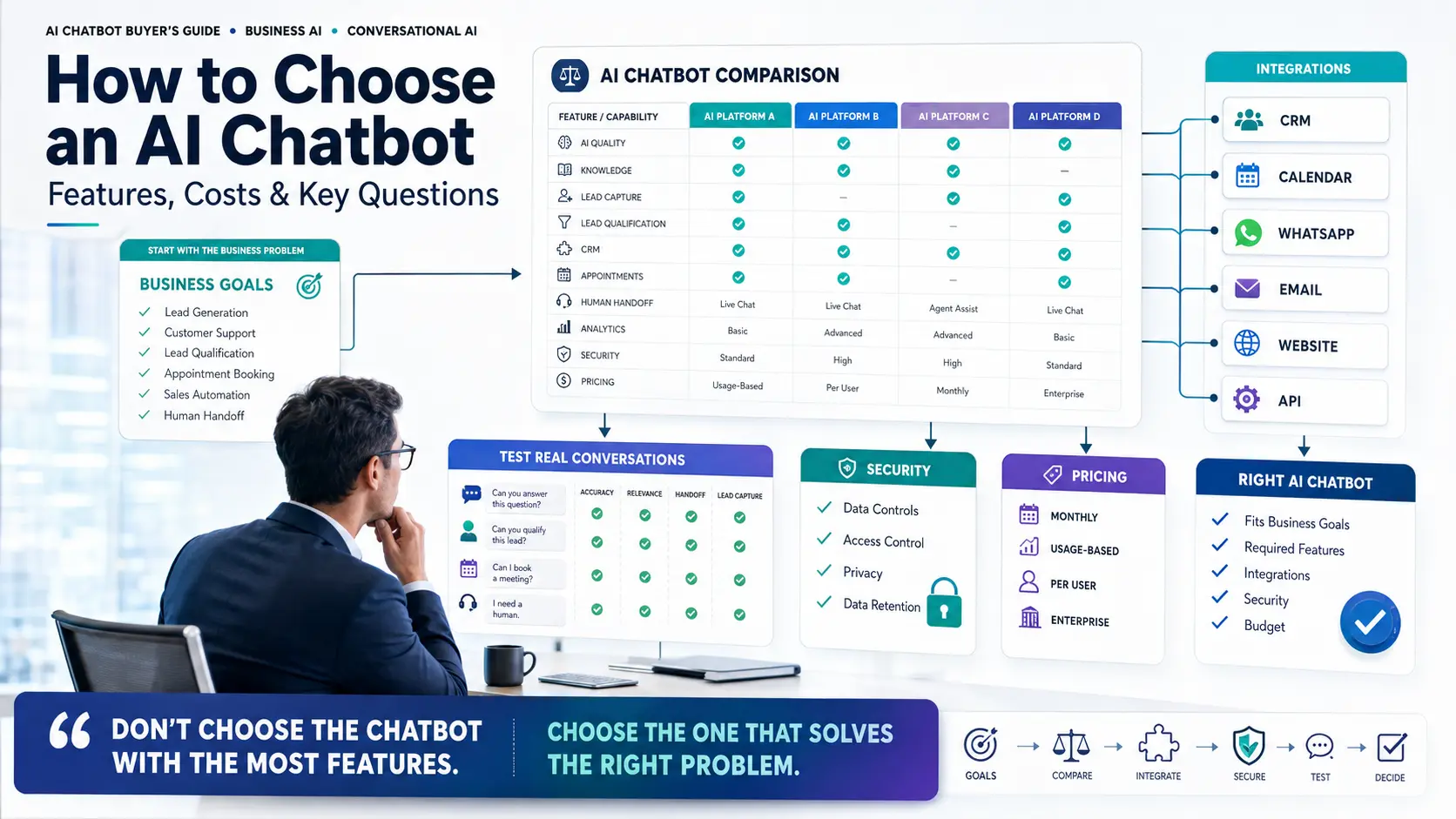
Selecting the right platform is a critical infrastructure decision. We evaluated the leading platforms based on a strict set of criteria focused on real estate utility rather than generic marketing appeal.
- AI Conversation Quality: The ability of the LLM to handle nuanced real estate terminology (e.g., FAR, escrow, strata title) without hallucinating.
- Website and CRM Integration: How easily the platform connects to industry-standard real estate CRMs (Salesforce, HubSpot, proprietary builder portals).
- Ease of Setup and Knowledge Base Support: The ability to ingest massive PDF brochures, floor plans, and complex pricing matrices automatically.
- Lead Qualification and Appointment Booking: Native tools designed to vet prospects and schedule tours seamlessly.
- Human Handoff and Customization: The smoothness of transitioning a chat to a live agent, and the ability to customize the UI to match luxury developer branding.
- Scalability and Analytics: The capacity to handle traffic spikes during new project launches and provide deep insights into buyer intent.
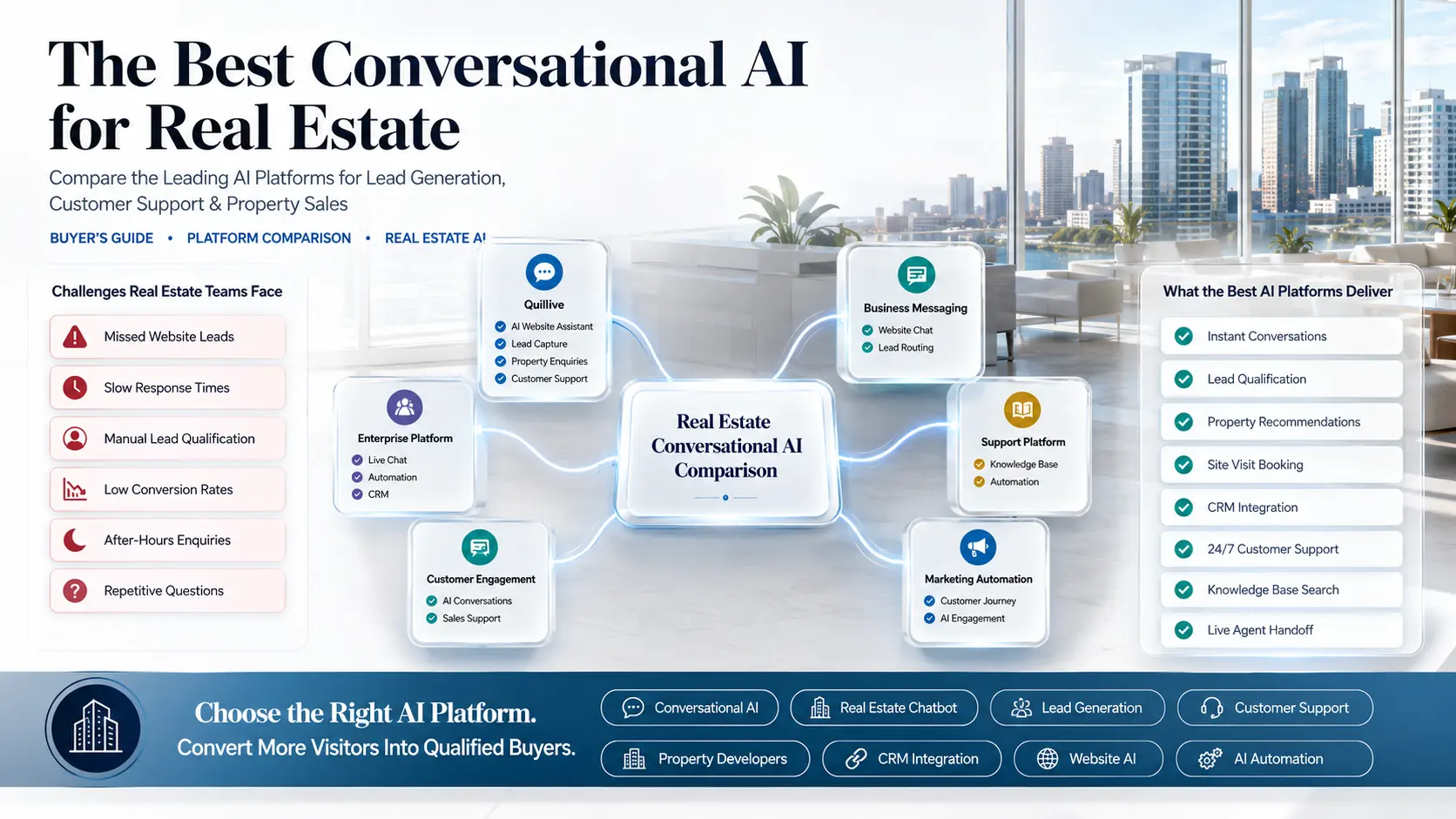
Comparison of the Best Conversational AI Platforms for Real Estate
Below is an objective comparison of the leading platforms, examining their strengths, limitations, and ideal business use cases.
1. Intercom
Best for: Large, established real estate tech companies and portals.
- Strengths: Phenomenal inbox management for support teams, highly robust ecosystem, excellent proactive messaging.
- Limitations: Can be prohibitively expensive for mid-sized developers; the AI features (Fin) require significant setup to tailor specifically to real estate nuance; complex pricing structure.
- Core Capabilities: Advanced ticketing, complex routing rules, highly polished UI.
2. Drift
Best for: B2B commercial real estate and enterprise brokerages.
- Strengths: Unmatched in "Conversational Marketing" and B2B lead routing. Excellent integration with Marketo and high-end CRMs.
- Limitations: Geared heavily toward software and B2B sales; the terminology and flow can feel less natural for B2C residential property buyers; enterprise-level pricing.
- Core Capabilities: VIP lead routing, account-based marketing (ABM) chat, meeting booking.
3. HubSpot Chat
Best for: Agencies and developers already heavily invested in the HubSpot CRM ecosystem.
- Strengths: Native integration with HubSpot CRM is flawless. Free entry-level tier. Easy to create simple, rule-based qualification flows.
- Limitations: The AI conversational capabilities are relatively basic compared to dedicated AI platforms. Struggles with deep, unscripted property inquiries requiring brochure knowledge ingestion.
- Core Capabilities: CRM syncing, simple lead capture forms embedded in chat.
4. Tidio
Best for: Small independent real estate agencies and boutique property managers.
- Strengths: Very easy to set up, highly affordable, excellent blend of live chat and basic automated flows.
- Limitations: Lacks the deep AI knowledge base capabilities required to ingest complex 100-page property brochures. Not designed for enterprise scale or deep bespoke integrations.
- Core Capabilities: Visual drag-and-drop builder, combined email/chat inbox.
5. Freshchat (by Freshworks)
Best for: Real estate firms needing a unified customer support and sales omnichannel solution.
- Strengths: Great omnichannel support (WhatsApp, web, social). Strong AI bots (Freddy AI) for intent detection.
- Limitations: The interface can be overwhelming due to the sheer volume of features. Tailoring it strictly for real estate lead qualification requires significant customization effort.
- Core Capabilities: Unified messaging, multilingual support, intent-based routing.
6. Quillive
Best for: Property developers and real estate agencies requiring highly intelligent, customizable, and automated conversational AI without enterprise bloat.
- Strengths: Built specifically around intelligent knowledge ingestion—easily absorbs complex property data. Excellent natural language qualification flows, affordable scaling, and designed for immediate lead capture.
- Limitations: Newer to the market compared to legacy giants like Intercom; may not have out-of-the-box native integrations for highly obscure, niche legacy CRMs (though webhooks provide workarounds).
- Core Capabilities: Deep contextual AI responses, automated lead qualification pipelines, seamless live agent handoff.
Which Platform Is Best for Different Types of Real Estate Businesses?
Choosing the right tool depends heavily on your specific business model. There is no universal "best" platform; only the best platform for your specific workflow.
Property Developers & Builders
Developers require platforms that can ingest massive amounts of data about new projects (floor plans, amenities, pricing matrices) and handle huge spikes in traffic during a project launch. They need strong lead qualification to filter out casual browsers. Platforms emphasizing knowledge base training and AI contextual understanding are paramount here.
Commercial Real Estate Firms
A chatbot for commercial real estate must handle longer sales cycles, complex B2B inquiries, and coordinate meetings with high-level executives. Platforms with strong account-based marketing routing and calendar integrations (like Drift) are often favored.
Multifamily Housing & Property Management
AI chatbots for multifamily property websites deal with high volumes of repetitive inquiries (e.g., "What are the pet policies?", "Is there an available 1-bedroom unit?"). They need platforms that offer excellent automated FAQ resolution and self-serve tour scheduling to reduce the burden on leasing agents.
What Features Matter Most When Choosing a Real Estate AI Platform?
When evaluating software, look beyond the marketing material and ensure the platform delivers on these core technical requirements:
- Knowledge Base Training: The AI must be able to read and understand your existing PDFs, website URLs, and FAQs, turning static documents into interactive knowledge.
- Intelligent Lead Qualification: The system must be capable of asking multi-step questions to build a comprehensive buyer profile before storing it in a CRM.
- Appointment Scheduling: Frictionless integration with Calendly, Google Calendar, or Outlook to book site visits directly within the chat UI.
- Multilingual Support: Real estate is global. The ability to converse fluently in the buyer's native language dramatically increases engagement and trust.
- Security and Data Privacy: Ensuring that high-net-worth individual data and internal pricing strategies remain secure and compliant with regional data laws.
- Ease of Maintenance: You should not need an engineering team to update the bot's knowledge when pricing changes or a new phase of the project launches.
Where Quillive Fits
While platforms like Intercom offer phenomenal support desk capabilities, and HubSpot excels at broad marketing automation, Quillive is specifically engineered to bridge the gap between advanced generative AI and practical real estate sales workflows.
Quillive is designed to help property developers and real estate businesses:
- Answer visitor questions instantly by intelligently parsing complex project information, brochures, and website content.
- Capture qualified leads through natural conversational flows that feel consultative rather than interrogative.
- Reduce response times to zero, ensuring no high-intent buyer is ever left waiting for an email response.
- Hand conversations to human agents seamlessly when a lead hits a specific qualification threshold or requests a live interaction.
For organizations seeking a highly capable, focused, and adaptable conversational AI that doesn't require months of deployment time or complex engineering overhead, Quillive presents a powerful, streamlined solution.
Frequently Asked Questions
What is conversational AI for real estate?
Conversational AI for real estate is an advanced technology that uses natural language processing (NLP) to automate conversations with prospective buyers. It can answer property queries, qualify leads, and schedule site visits natively on a real estate website or messaging platform.
How is conversational AI different from a chatbot?
Traditional chatbots rely on strict rule-based logic and pre-programmed buttons, often failing when a user asks a complex question. Conversational AI understands intent, context, and natural language, allowing it to hold fluid, human-like conversations.
Can conversational AI qualify property buyers?
Yes, conversational AI is highly effective at qualifying property buyers. It can intelligently ask questions to determine a buyer's budget, desired location, property type preference, and timeline before handing the lead over to a human sales agent.
Can AI schedule site visits?
Modern real estate AI platforms integrate directly with calendar systems and CRMs, enabling prospective buyers to book in-person or virtual property tours seamlessly through the chat interface.
Can AI integrate with a CRM?
Leading conversational AI platforms offer robust CRM integrations (like Salesforce, HubSpot, and Zoho), allowing the automated capture and logging of lead data, transcripts, and buyer preferences without manual data entry.
How much does a real estate AI chatbot cost?
Pricing for real estate AI chatbots varies widely depending on the platform, usage volume, and required integrations. Entry-level solutions may start around $50-$100 per month, while enterprise-grade platforms can cost several hundred to thousands of dollars per month.
Can conversational AI recommend properties?
Yes, by understanding a user's preferences established during the conversation, AI can intelligently search a property database and display relevant recommendations, floor plans, and brochures directly within the chat.
What is the best conversational AI platform for property developers?
The best platform depends on specific needs. Quillive is a strong option for deep real estate customization and lead qualification, while platforms like Intercom or HubSpot Chat suit organizations looking for broader marketing integrations.
Do AI chatbots work for commercial real estate?
Absolutely. They streamline the initial inquiry process for commercial leasing, filtering through requirements regarding square footage, zoning, and lease terms before engaging a senior broker.
Is it difficult to train an AI for my property projects?
With modern platforms, training is largely automated. You simply upload your project brochures, PDFs, and website links, and the AI ingests and learns the information automatically.
Can the AI speak multiple languages?
Yes, leading conversational AI solutions offer robust multilingual support, which is critical for developers targeting international investors or diverse local demographics.
What happens if the AI cannot answer a question?
A properly configured system will recognize its limitations and smoothly transition the conversation to a human sales agent, ensuring the user experience remains positive.
Does AI reduce the need for real estate agents?
No, AI augments agents. By handling the repetitive task of initial qualification and FAQ answering, it frees agents to focus on high-value tasks like negotiations, relationship building, and closing deals.
Can AI chatbots generate leads outside of business hours?
This is one of their primary benefits. Conversational AI operates 24/7, capturing and qualifying leads generated from late-night or weekend website traffic that would otherwise be lost.
How secure is buyer data with conversational AI?
Reputable platforms employ enterprise-grade encryption and comply with data privacy regulations (like GDPR and CCPA) to ensure that buyer contact information and financial discussions remain secure.
Will AI make the real estate buying experience feel impersonal?
When implemented correctly, conversational AI actually improves personalization by remembering user preferences and providing tailored recommendations much faster than a human could retrieve them.
How do I measure the ROI of a real estate chatbot?
ROI can be measured through metrics such as the increase in total qualified leads captured, the reduction in time-to-first-response, higher conversion rates on site visits, and the time saved by the sales team.
Can I customize the look of the chat widget?
Yes, most professional platforms allow comprehensive customization of colors, logos, and widget placement to ensure it aligns seamlessly with a luxury developer's brand guidelines.
Does conversational AI work on mobile devices?
Modern platforms are fully responsive and optimized for mobile devices, which is essential given that the majority of initial property searches occur on smartphones.
How quickly can conversational AI be deployed?
Depending on the complexity of the deployment and the volume of documents to ingest, a robust conversational AI can often be configured, tested, and launched within a few days to a week.
Conclusion
The transition toward digital-first property buying is permanent. As buyer expectations for speed and personalization continue to rise, real estate businesses must adapt their lead generation and customer support strategies. Conversational AI for real estate is no longer just a technological novelty; it is a critical tool for scaling operations, capturing high-intent leads, and delivering an exceptional customer experience from the very first interaction.
When selecting a platform, it is vital to evaluate solutions based on your specific business goals, necessary integrations, and the unique journey of your property buyers, rather than simply opting for the tool with the most generalized features.
For property developers, builders, and real estate agencies looking to automate lead capture, enhance website conversations, and empower their sales teams with highly qualified prospects, Quillive stands out as a purpose-built, highly effective option in the conversational AI landscape.
You can also read more on our Blog Homepage or discover how to build an AI Chatbot for Business or explore Features of a modern AI solution.

Quillnext Team
The Quillnext Team provides strategic insights and technological solutions for Real Estate Developers and PropTech companies, helping them leverage conversational AI to optimize sales, marketing, and customer support.
Book a Demo →