Introduction
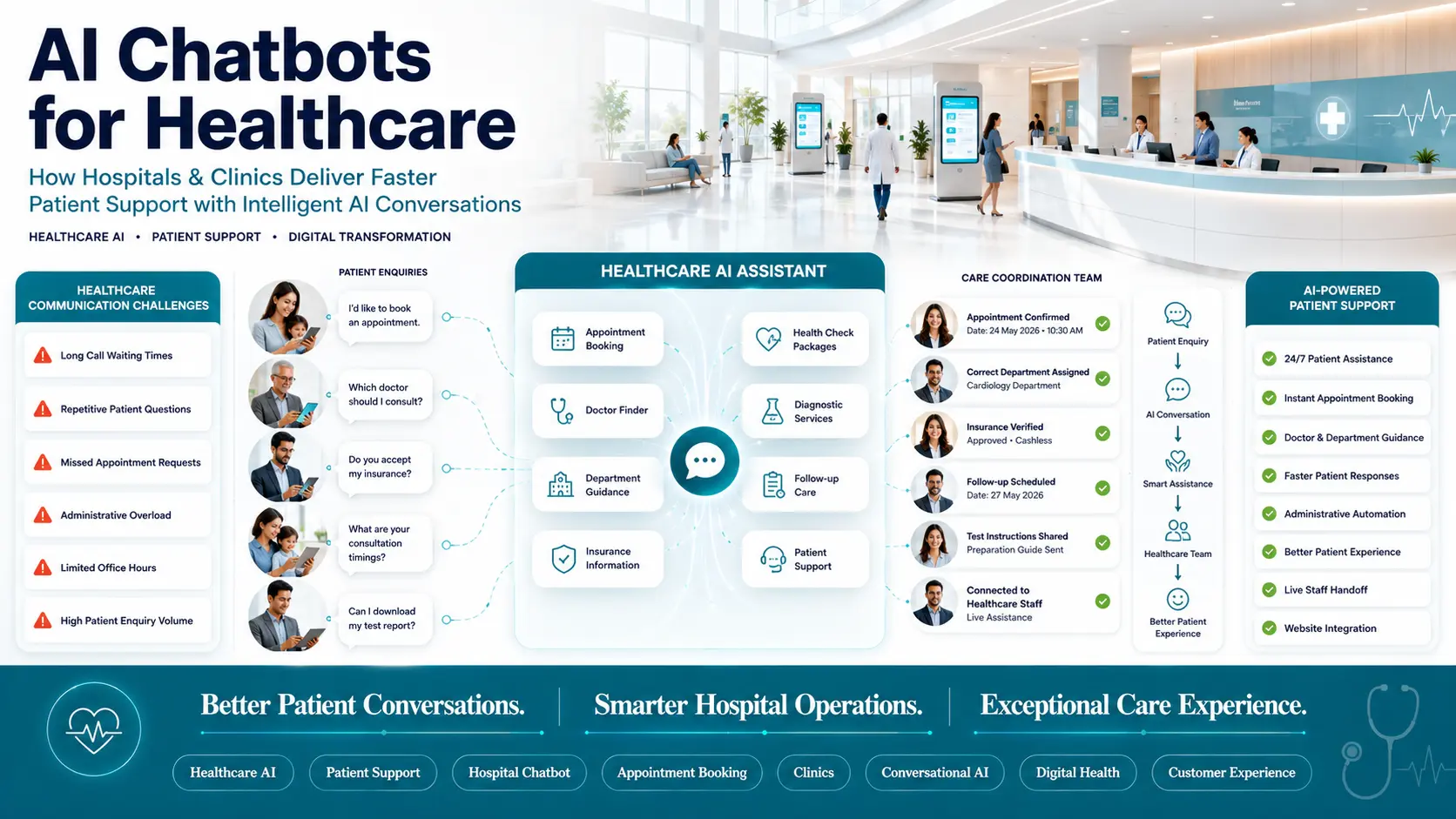
Hospitals and clinics receive hundreds of patient enquiries every single day. Patients constantly ask about appointment availability, specific doctors and specialties, consultation timings, diagnostic services, insurance acceptance, retrieving reports, hospital facilities, and scheduling follow-up visits.
Administrative teams spend significant amounts of time answering these repetitive questions, often leading to overwhelmed phone lines, longer wait times, and delayed email responses. The challenge is not merely about providing information—it is about delivering timely, consistent support while ensuring that medical staff can focus on actual patient care.
To solve this, leading healthcare organizations are adopting AI chatbots for healthcare. By automating the first line of patient communication, these systems significantly reduce administrative workload while elevating the overall patient experience.
Why Patient Expectations Have Changed
The way patients interact with healthcare providers has fundamentally shifted over the last few years.
- Digital-First Experiences: Patients now expect to handle their healthcare logistics—booking, rescheduling, paying bills—online, just as they do with retail and banking.
- Mobile Communication: The preference for mobile messaging over phone calls has skyrocketed. Patients prefer a quick text interaction over being placed on hold.
- Expectations for Instant Answers: Waiting 24 hours for an email reply confirming visiting hours is no longer acceptable.
- Telehealth Growth: As telemedicine has normalized, the boundary between digital interaction and clinical care has blurred, raising the bar for better digital patient experiences.
Common Communication Challenges in Healthcare
Without automation, healthcare facilities often struggle with severe operational bottlenecks.
The Cost of Manual Handling
- High Enquiry Volumes: Front-desk staff are frequently overwhelmed by ringing phones.
- Appointment Management: Rescheduling and cancellations cause massive administrative friction.
- Repeated FAQs: Staff waste hours answering the exact same questions regarding insurance and location.
- Missed Calls and After-Hours Enquiries: Patients researching care at night often abandon their search when they cannot get immediate answers.
These factors inevitably lead to administrative overload, delayed responses, and resulting patient dissatisfaction.
What Is a Healthcare AI Chatbot?
Definition
A healthcare AI chatbot (or conversational AI assistant) is a software application designed to simulate human conversation using artificial intelligence. It acts as an automated front door to a hospital or clinic's digital services.
Unlike rigid, rule-based bots that force users to select pre-defined buttons, modern AI-powered chatbots understand natural language. A patient can type, "I need to see a cardiologist next Tuesday and my insurance is BlueCross," and the AI will comprehend the intent, check availability, and respond appropriately.
How AI Chatbots Support the Patient Journey
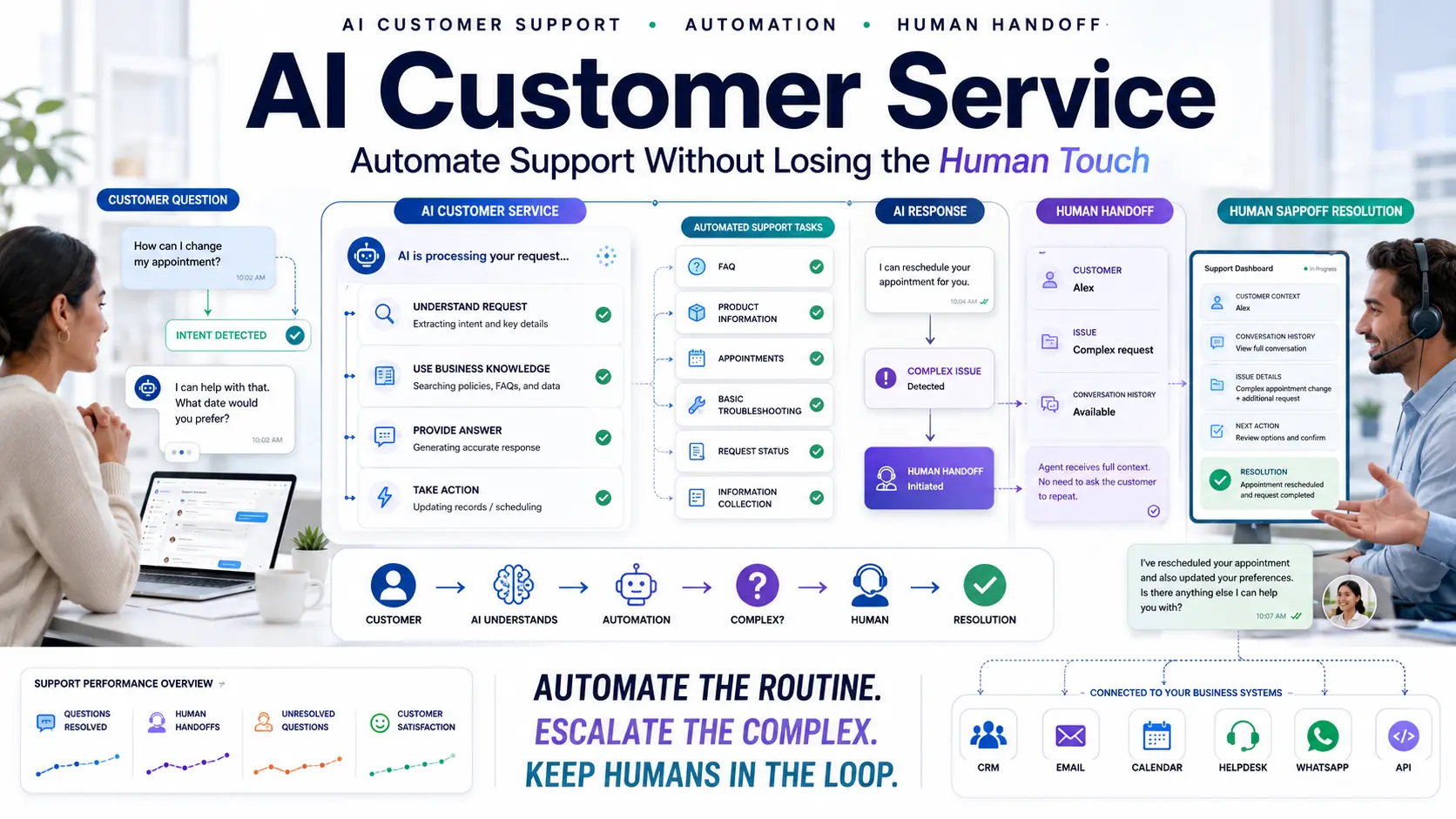
By acting as a customer support chatbot for patients, AI can streamline the entire pre- and post-visit workflow.
The Automated Healthcare Journey
- Instant Welcome: A patient visits the hospital's website. The AI proactively offers help in multiple languages.
- Answering Service Questions: The patient asks if the hospital performs a specific diagnostic test (e.g., a PET scan). The AI confirms instantly.
- Department Routing: If the patient complains of knee pain, the AI recommends booking an appointment with the Orthopedics department.
- Appointment Booking: The AI interfaces with the hospital's scheduling software, offering time slots and securing the booking.
- Preparation Instructions: The AI shares specific instructions, such as fasting guidelines for an upcoming blood test.
- Follow-Up: Post-visit, the AI can check in, share a link to digital reports, or schedule follow-up appointments.
- Staff Handoff: If a patient asks a complex medical or billing query, the AI seamlessly transfers the chat to human staff.
Real-World Healthcare Use Cases
AI chatbots are highly versatile across different types of healthcare facilities.
- Hospitals: Managing massive volumes of inbound traffic, helping patients find specific wards, doctors, or visiting policies.
- Multi-Specialty Clinics: Routing patients to the correct specialist based on their described symptoms (without diagnosing).
- Dental Clinics: Handling routine booking and cancellations, and answering FAQs about cosmetic procedures.
- Diagnostic Centers: Informing patients about test pricing, insurance validity, and pre-test dietary restrictions.
- Mental Health Practices: Offering discreet, non-judgmental initial intake and appointment scheduling.
- Telemedicine Providers: Acting as the immediate triage layer to ensure patients have strong internet connections and completed intake forms before the virtual doctor arrives.
Benefits for Hospitals & Clinics
Reduced Administrative Workload
Front desk staff spend less time on the phone answering routine questions and more time assisting patients physically present in the clinic.
24/7 Patient Support
Enquiries, appointment requests, and FAQs are handled instantly, even at 3:00 AM, improving patient satisfaction.
Better Appointment Management
Automated rescheduling significantly reduces costly no-shows and optimizes doctor schedules.
Scalable Communication
During health crises (like flu season) when call volumes spike, AI handles the surge effortlessly without increasing operational costs.
Features to Look for in a Healthcare AI Chatbot
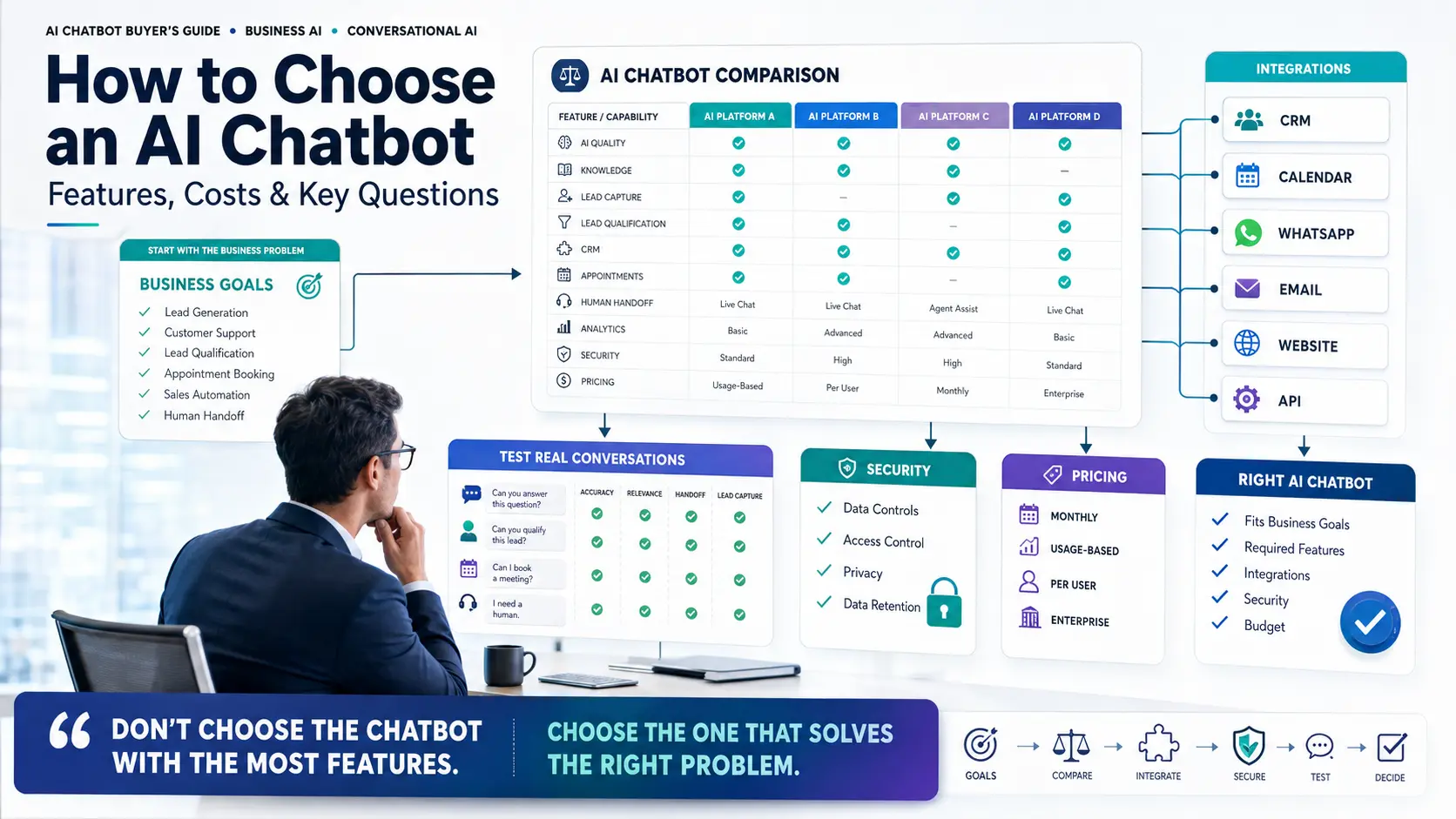
When evaluating software, practice managers should ensure the platform includes:
- Knowledge Base Integration: The ability to securely ingest policy documents and hospital FAQs.
- Appointment Booking: Secure connections to HIS (Hospital Information Systems) or scheduling calendars.
- Live Staff Handoff: Crucial for ensuring that urgent or complex matters are escalated to human triage nurses or receptionists immediately.
- Multilingual Conversations: Ensuring equitable access for diverse patient demographics.
- Document Sharing: The ability to securely send intake forms or PDF instructions.
- Analytics: Dashboards that reveal common patient issues, helping administrators optimize hospital services.
How to Implement a Healthcare Chatbot
Deploying a business-grade AI Chatbot in a clinical setting requires careful planning to ensure accuracy and compliance.
Implementation Guide
- Identify Common Questions: Speak with your reception team to log the most frequent patient enquiries.
- Build a Medical Knowledge Base: Compile non-clinical FAQs, doctor schedules, and department information. Ensure no diagnostic data is included.
- Define Escalation Rules: Determine exactly which keywords (e.g., "emergency," "bleeding," "pain") trigger an immediate handover to human staff.
- Integrate Systems: Connect the chatbot to your appointment scheduling or CRM systems.
- Test Thoroughly: Run internal tests to ensure the AI behaves consistently and strictly within its designated administrative boundaries.
Where Quillive Fits
For healthcare organizations looking to modernize their patient communication, Quillive offers a secure, scalable conversational AI solution.
Quillive is designed to help hospitals and clinics automate their administrative workflows. It efficiently answers common patient enquiries, guides website visitors to the right medical services, captures appointment requests, and reduces repetitive tasks for front-desk staff.
Importantly, Quillive is built to act as a supportive administrative tool—not a medical decision-maker. It seamlessly transfers complex cases or specific clinical queries directly to your human staff, ensuring that medical professionals remain firmly at the center of patient care while benefiting from a dramatically reduced administrative burden.
Frequently Asked Questions
What is a healthcare AI chatbot?
It is a conversational virtual assistant that uses AI to help patients book appointments, answer administrative questions, and navigate hospital services automatically.
Can AI book hospital appointments?
Yes. By integrating with hospital scheduling systems, AI chatbots can manage bookings, cancellations, and rescheduling directly within the chat.
Can AI answer patient questions?
Yes, AI can instantly answer non-clinical FAQs such as visiting hours, parking, insurance accepted, and pre-test instructions based on the hospital's knowledge base.
Can AI support multiple languages?
Yes, modern conversational AI provides robust multilingual support, improving healthcare accessibility for diverse patient demographics.
Can AI integrate with hospital systems?
Leading healthcare chatbots integrate with CRM platforms and scheduling software via APIs to ensure patient data remains synchronized.
Can AI reduce missed appointments?
Absolutely. AI can send automated reminders and make it frictionless for a patient to reschedule, drastically reducing no-show rates.
Is a healthcare chatbot secure?
Enterprise-grade solutions comply with stringent data privacy frameworks to ensure patient communication is encrypted and secure.
Can AI replace doctors?
No. AI chatbots are administrative tools designed to streamline operations and communication. They do not diagnose, prescribe, or replace clinical expertise.
Can chatbots triage emergencies?
No. Chatbots should be programmed to immediately direct patients to call emergency services (like 911) if they detect emergency keywords.
Are patients willing to use healthcare chatbots?
Yes, most patients prefer using a chatbot for administrative tasks (like booking a slot) over waiting on hold for a receptionist.
Can a chatbot send intake forms?
Yes, an AI can provide secure links to digital intake forms before the patient's visit to save time in the waiting room.
Can the AI process insurance queries?
AI can confirm if the hospital accepts specific insurance networks, though complex claims processing typically requires human intervention.
How long does it take to implement?
Depending on integration complexity, an administrative chatbot can often be deployed in a matter of weeks.
What happens if the AI doesn't know the answer?
It smoothly transitions the conversation, along with the full chat history, to a human staff member during working hours.
Can chatbots be used for mental health clinics?
Yes, they provide discreet, non-judgmental intake scheduling, though they are not a substitute for therapy.
Can AI chatbots share lab results?
While possible through secure portal integrations, many hospitals prefer using chatbots to guide patients on *how* to access their secure portal rather than transmitting health data directly in chat.
Does it work on mobile?
Yes, website-based chatbots are fully mobile-responsive and align with modern patient expectations for mobile communication.
Is the AI constantly learning?
Yes, administrators can review chat logs to identify knowledge gaps and continuously update the AI's knowledge base.
Can chatbots assist with post-operative care?
They can send automated follow-up messages checking on recovery milestones and remind patients to take medication.
Are chatbots cost-effective for small clinics?
Yes, by reducing the need to hire additional front-desk staff just to handle call volume, chatbots offer rapid ROI for practices of all sizes.
Conclusion
Patient communication is integral to a high-functioning healthcare system. By deploying AI chatbots for healthcare, hospitals and clinics can drastically improve patient support, resolve enquiries instantly, and optimize appointment scheduling—all without increasing administrative headcount.
While AI will never replace the empathy and expertise of medical professionals, it serves as a powerful operational tool. It eliminates the friction of administrative bottlenecks, ensuring patients feel heard and supported the moment they reach out.
Platforms like Quillive provide a practical, scalable solution for enhancing digital patient engagement, allowing healthcare organizations to focus their human resources on what truly matters: delivering exceptional care.
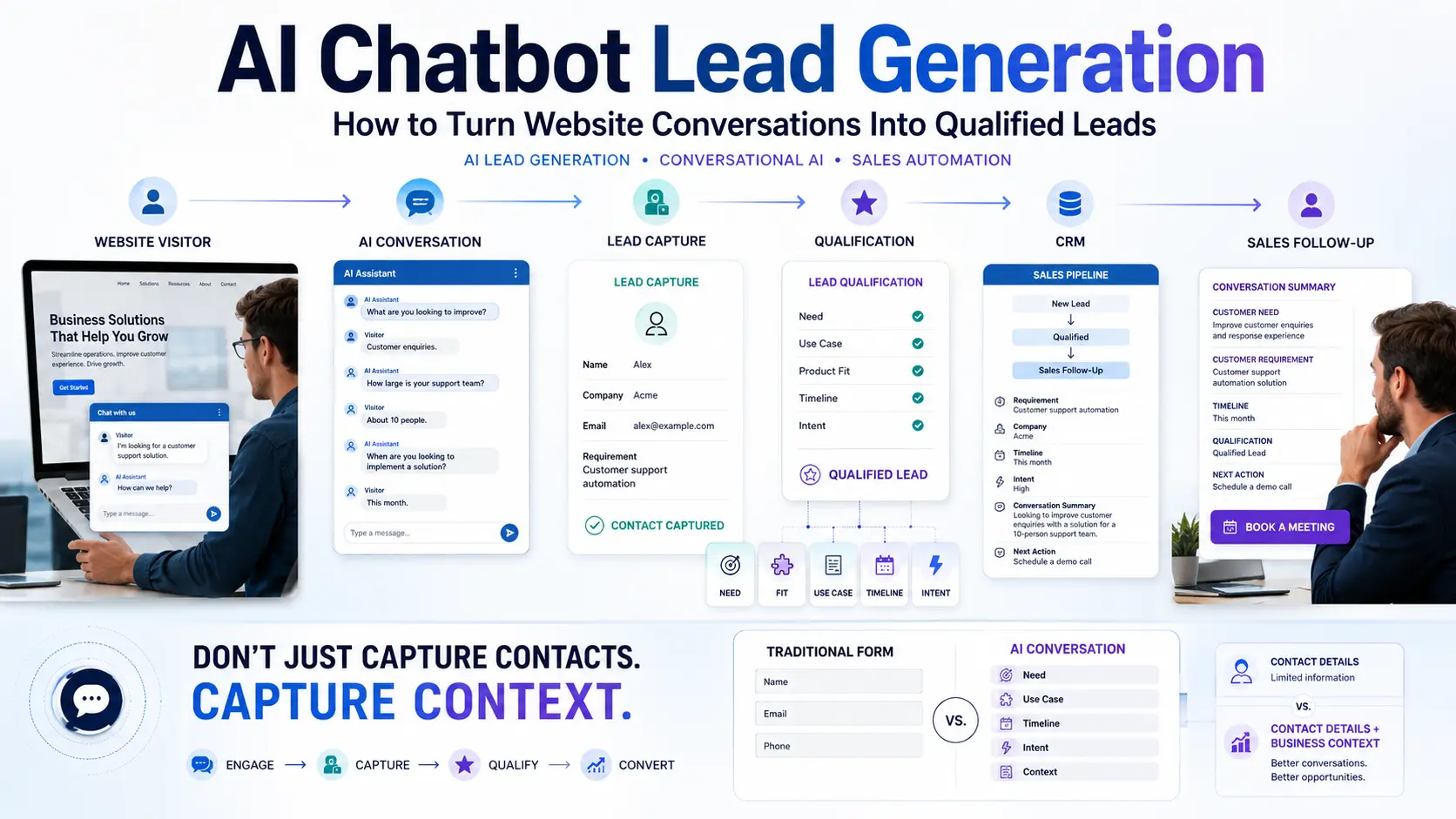
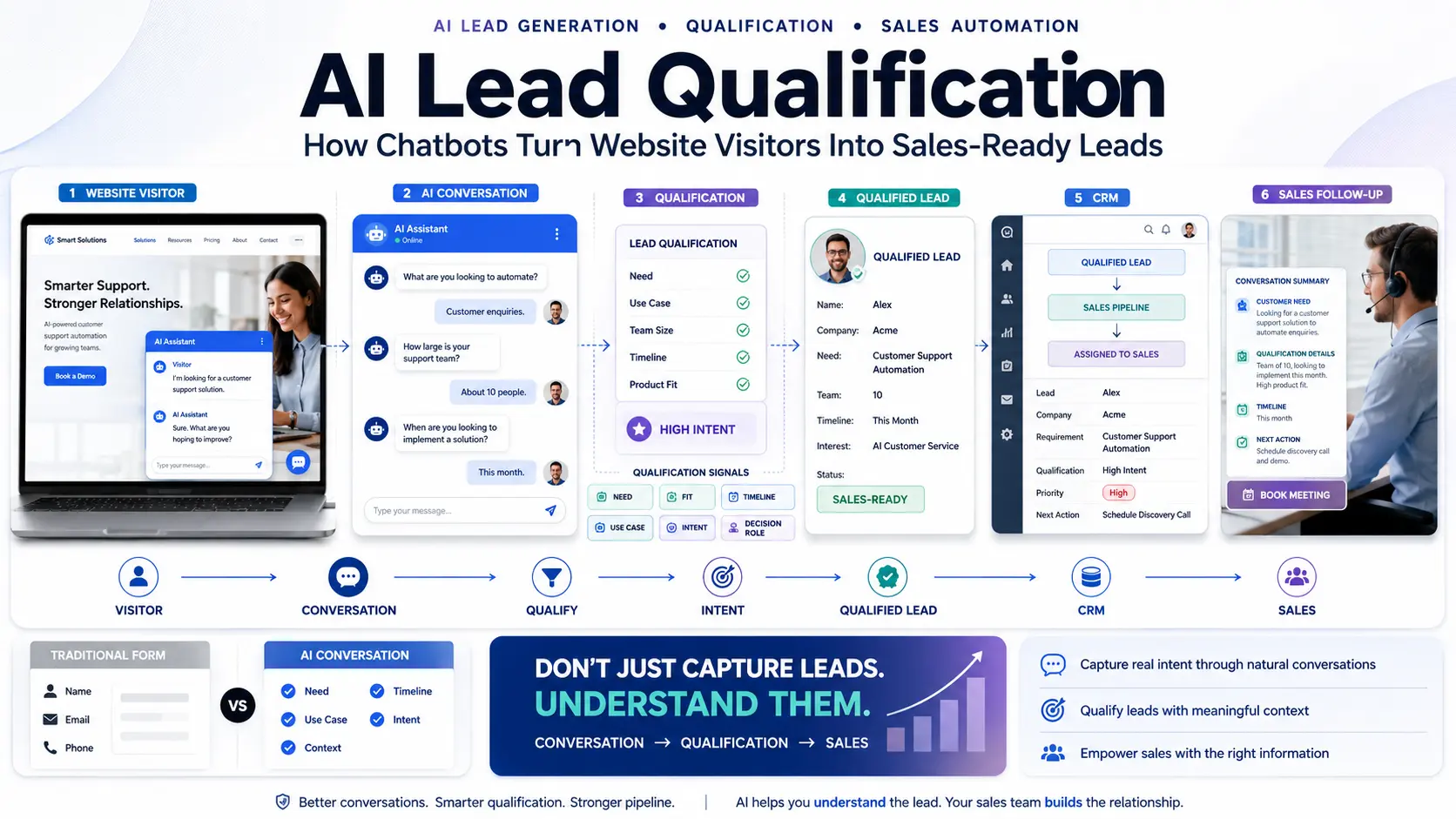
Interested in automation? Learn how a Lead Generation Chatbot can also help specialized private practices capture more patient enquiries.

Quillnext Team
The Quillnext Team helps healthcare organizations implement conversational AI to streamline operations, reduce administrative burden, and elevate the digital patient experience.
Book a Demo →