Introduction
Most business owners are confused by terms like AI Agent, AI Assistant, AI Chatbot, Conversational AI, and Agentic AI. While they sound similar, understanding the difference is critical for businesses looking to implement the right automation strategy.
In this definitive guide, we break down the fundamental differences between an AI Chatbot and an AI Agent, explain how they work, and outline exactly which technology your business should use for customer support, lead generation, and internal operations.
Key Takeaways
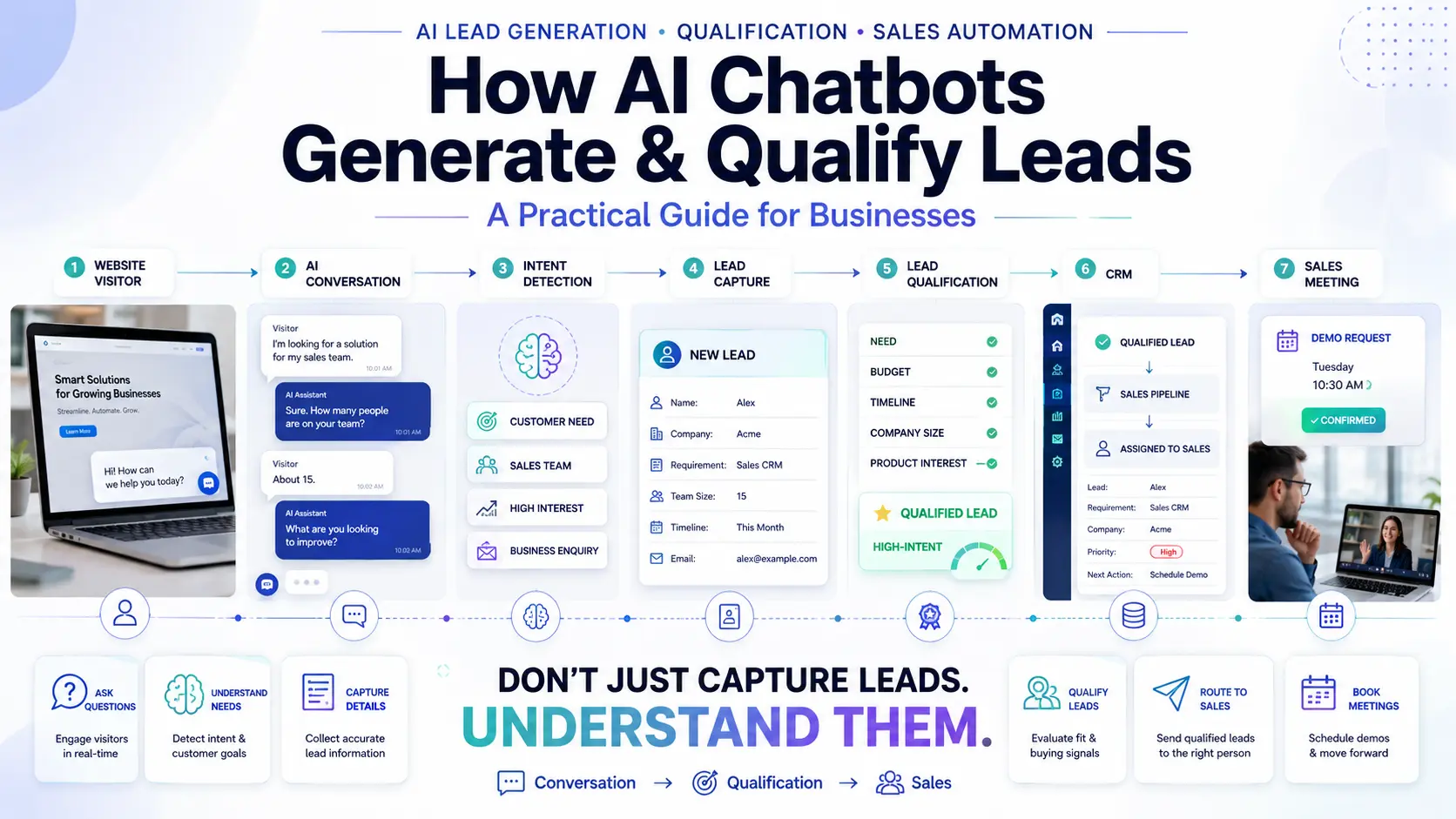
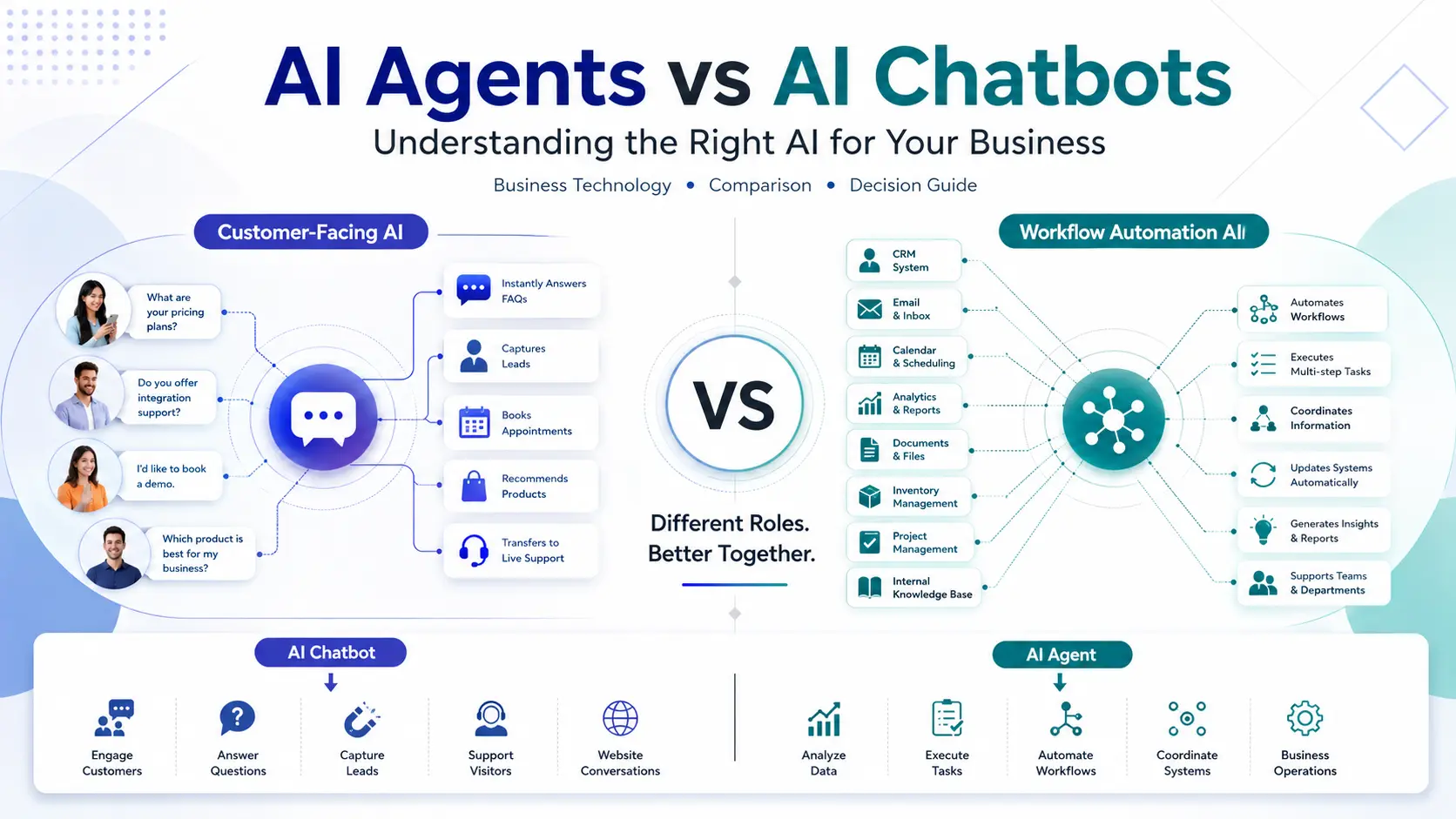
- AI Chatbots are designed for conversation. They engage users, answer questions instantly, and capture leads on websites.
- AI Agents are designed for action. They operate autonomously in the background, making decisions and completing multi-step workflows.
- For customer-facing interactions (support, sales), Chatbots are the clear choice.
- For internal automation (data entry, research, complex logic), Agents excel.
- The most powerful business systems use both together seamlessly.
What Is an AI Agent?
Think of an AI Agent as a digital employee. Instead of just answering a prompt like a traditional ChatGPT interface, an agent is given a goal and left to figure out how to achieve it. It breaks the goal into smaller tasks, uses tools (like browsing the web, reading a database, or sending an email), evaluates its own progress, and completes the mission.
What Is an AI Chatbot?
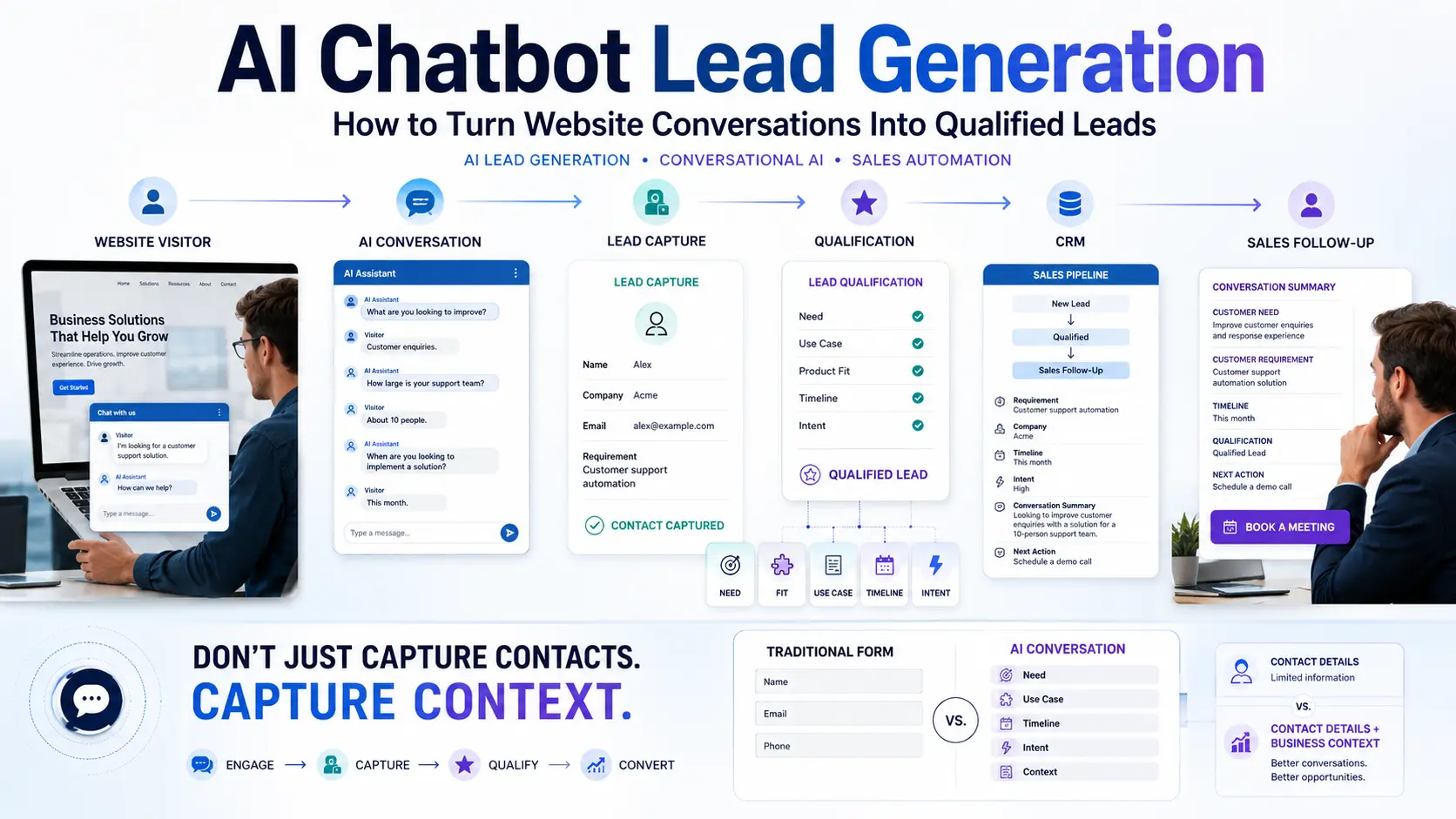
A modern AI Chatbot (like Quillive) acts as your front-line digital receptionist. It sits on your website or messaging platform, trained on your specific business knowledge base. When a visitor asks a question, the chatbot understands the intent using natural language processing (NLP) and generates an accurate, immediate response. It is designed to be helpful, engaging, and fast.
How AI Agents and AI Chatbots Work
How AI Chatbots Work
- Input: A user types a question into the chat widget.
- Retrieval: The chatbot searches its trained Knowledge Base for relevant context.
- Generation: The underlying LLM generates a conversational, natural-sounding answer.
- Action: The chatbot delivers the answer and, if programmed, prompts the user for lead capture (e.g., "Would you like to speak to sales?").
How AI Agents Work
- Goal Assignment: A user gives a complex task (e.g., "Research top competitors and create a summary report").
- Reasoning & Planning: The agent creates a step-by-step plan.
- Tool Usage: The agent uses tools (web browser API to search, text editor API to write).
- Observation & Iteration: The agent reads the results, adjusts if it hits an error, and continues until the final report is complete.
Key Differences
The primary difference boils down to Interaction vs. Autonomy.
- Primary Function: Chatbots communicate with humans. Agents execute tasks on behalf of humans.
- Complexity: Chatbots follow a conversational flow (even dynamic ones). Agents formulate dynamic, non-linear plans.
- Speed: Chatbots require instant responses (milliseconds). Agents may run for minutes or hours to complete a background task.
- User Experience: Chatbots offer a smooth, branded UI on your website. Agents often operate invisibly via APIs or backend dashboards.
AI Agent vs AI Chatbot Comparison Table
| Feature | AI Chatbot | AI Agent |
|---|---|---|
| Primary Goal | Engage users, answer questions, capture leads. | Execute multi-step tasks and automate workflows. |
| Autonomy | Low/Medium (Reactive to user input). | High (Proactive problem solving). |
| Interaction | Direct human-to-AI conversation. | Often system-to-system (background). |
| Response Time | Instant (Milliseconds/Seconds). | Variable (Seconds to Hours). |
| Ideal Placement | Websites, WhatsApp, Messenger. | Backend CRMs, Servers, Internal Tools. |
Business Use Cases by Industry
Real Estate Company
Best Fit: AI Chatbot (like Quillive for Real Estate)
Chatbots immediately greet website visitors, showcase property listings, qualify buyer budgets, and book property tours directly onto an agent's calendar.
Law Firm
Best Fit: AI Agent
An AI Agent can scan hundreds of pages of legal documents in the background, extract specific clauses, and compile a structured summary report for the paralegal.
E-commerce Store
Best Fit: Both Together
A Chatbot handles "Where is my order?" inquiries instantly. Meanwhile, a background AI Agent manages inventory, automatically reordering stock when levels get low.
SaaS Startup
Best Fit: AI Chatbot for Support
SaaS companies rely heavily on AI customer support chatbots to deflect basic how-to tickets, dramatically reducing the burden on human support teams.
When to Choose an AI Chatbot
- Your main goal is Lead Generation.
- You want to engage website visitors in real-time.
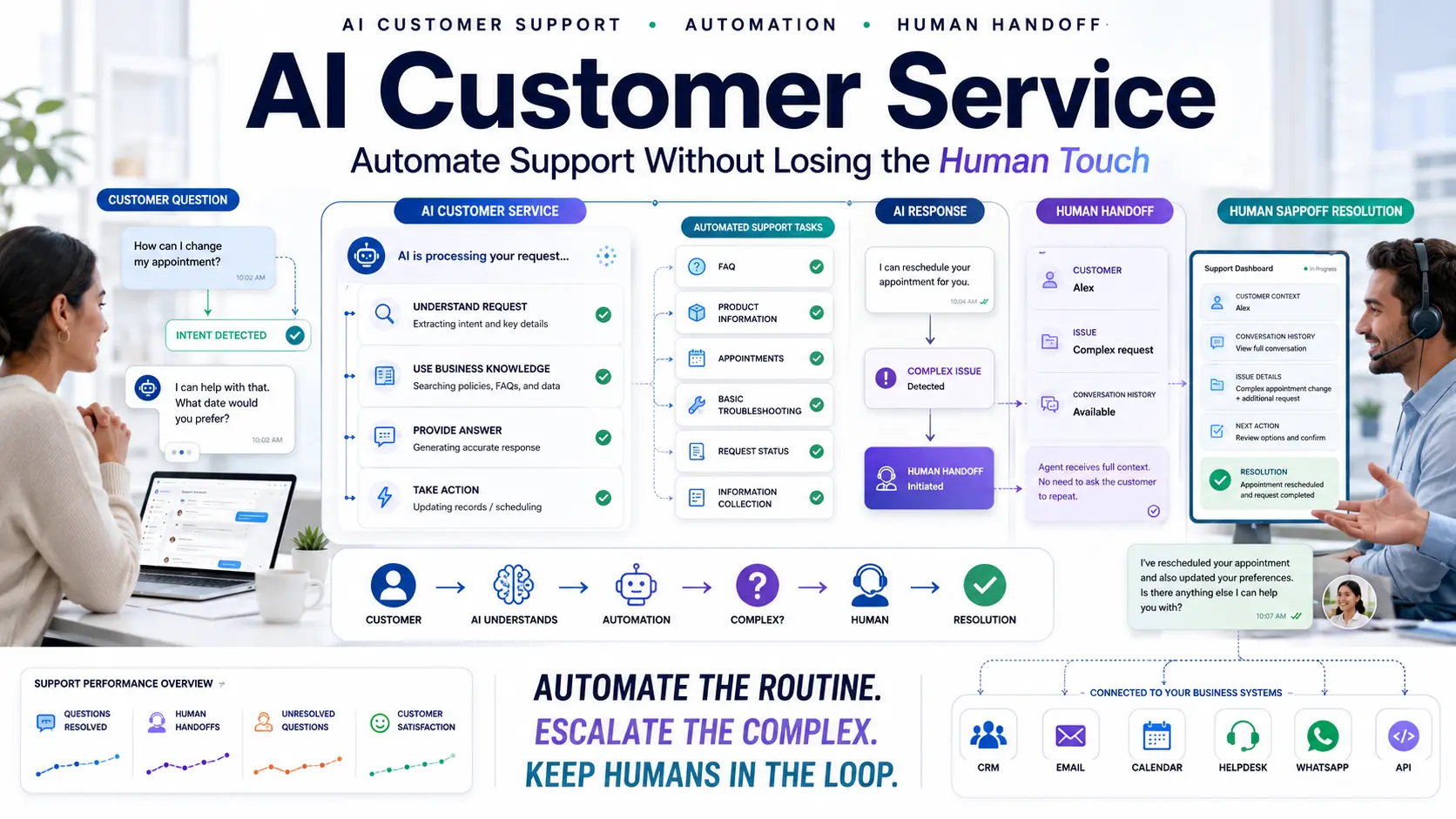
- You need to automate front-line Customer Support and FAQs.
- You require a system with live agent handoff capabilities.
Platforms like Quillive are specifically engineered for this. Quillive focuses heavily on customer-facing conversations, website engagement, and smooth CRM integrations, making it the superior choice for external business communication.
When to Choose an AI Agent
- Your main goal is Internal Operations Automation.
- The tasks are asynchronous and take time to complete.
- The AI needs to interact with internal databases, APIs, or software without a human interface.
Can Businesses Use Both Together?
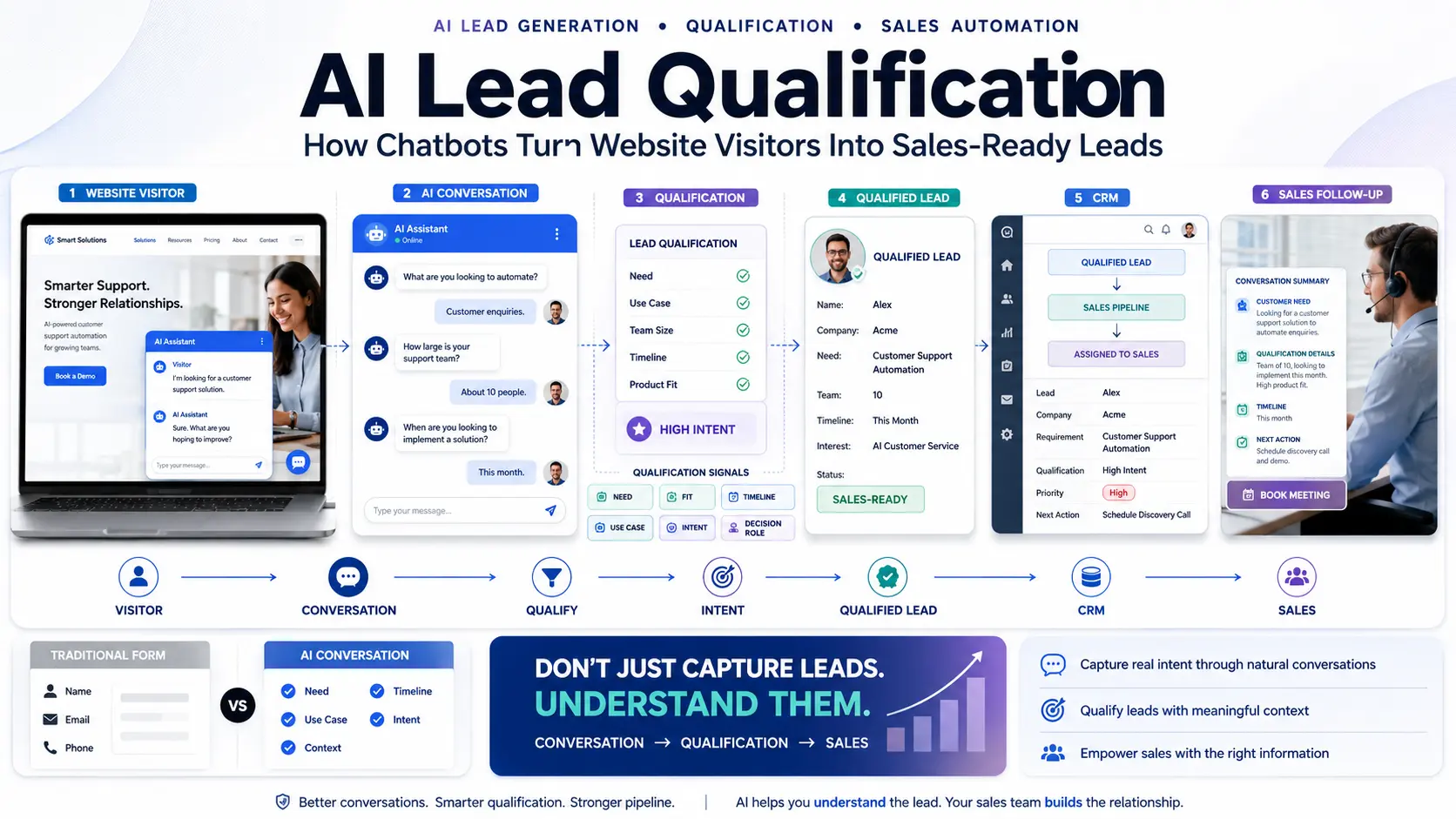
Imagine this flow: A visitor lands on your site and talks to the Quillive AI Chatbot. The chatbot answers their questions and captures their email. That action triggers an internal AI Agent. The agent researches the prospect's company online, drafts a highly personalized email, updates your Salesforce CRM, and sends a Slack notification to your sales team with the full dossier.
The chatbot handles the conversation; the agent handles the heavy lifting behind the scenes.
The Future of Agentic AI
We are rapidly moving towards "Multi-Agent Systems" (MAS). In the near future, businesses will employ entire teams of specialized AI agents. A marketing agent will coordinate with a design agent to create campaigns, while a sales agent reviews the analytics.
However, the human element—managed via conversational AI chatbots—will remain critical for customer trust, brand voice, and initial touchpoints.
Frequently Asked Questions
What is an AI Agent?
An AI Agent is an autonomous AI system that can reason, plan, and execute multi-step actions across various software tools to achieve a specific business goal without human intervention.
What is an AI Chatbot?
An AI Chatbot is a conversational interface designed to answer questions, capture leads, and provide instant customer support using a predefined knowledge base or generative AI.
Can AI Agents replace Chatbots?
No. They serve different purposes. Chatbots are front-facing for customer engagement, while agents operate in the background to automate complex operational workflows.
What is Agentic AI?
Agentic AI refers to artificial intelligence that possesses agency—the ability to act independently, make decisions, and use external tools to complete complex tasks.
Which is better for businesses?
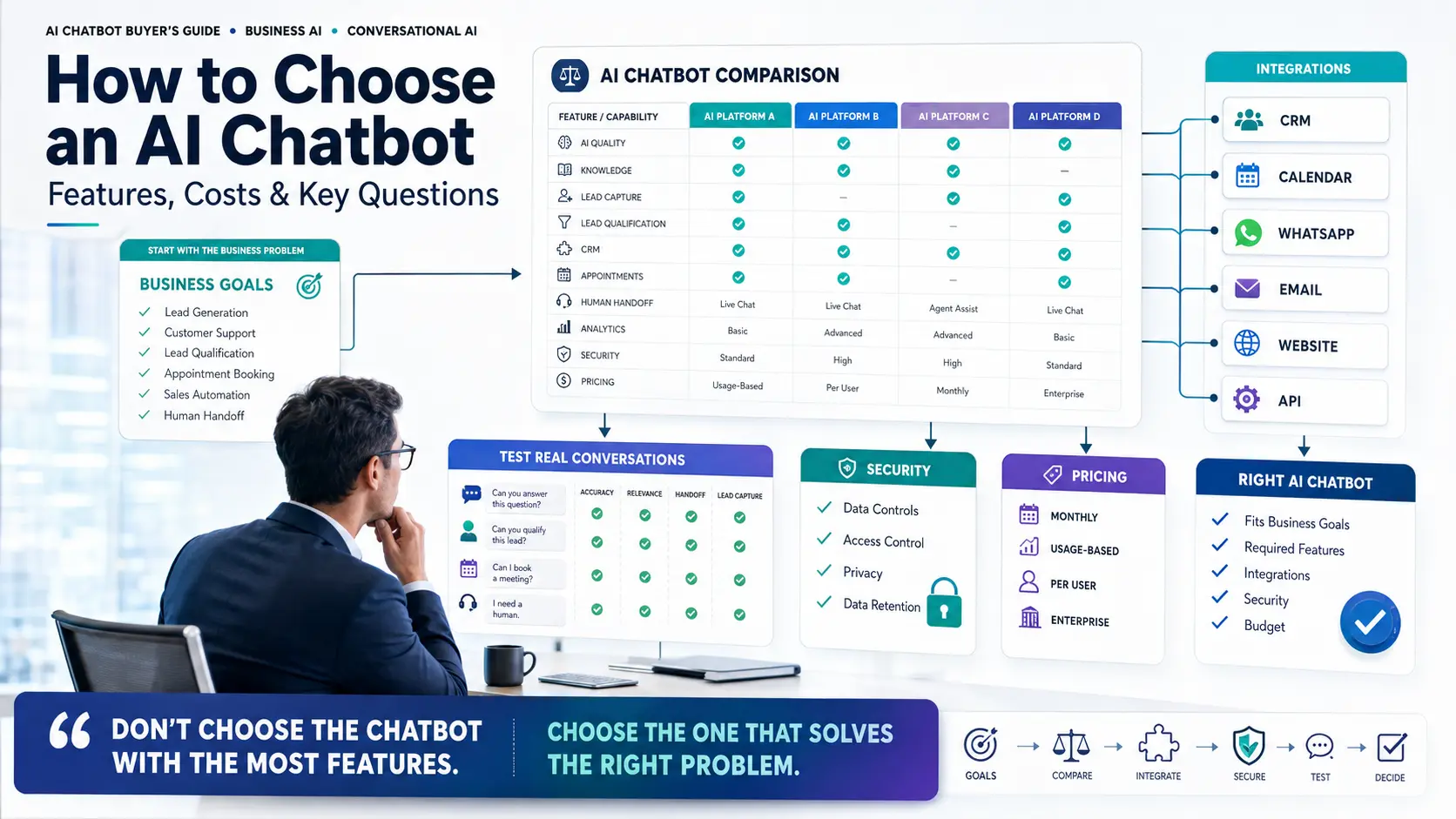
It depends on the goal. For website lead generation and customer support, an AI Chatbot like Quillive is ideal. For automating internal multi-step processes like invoice processing, an AI Agent is better.
Can AI Agents answer customer questions?
Yes, but they are often overkill for simple Q&A. AI Chatbots are specifically optimized for fast, accurate, conversational responses to customer questions.
Can AI Chatbots automate customer support?
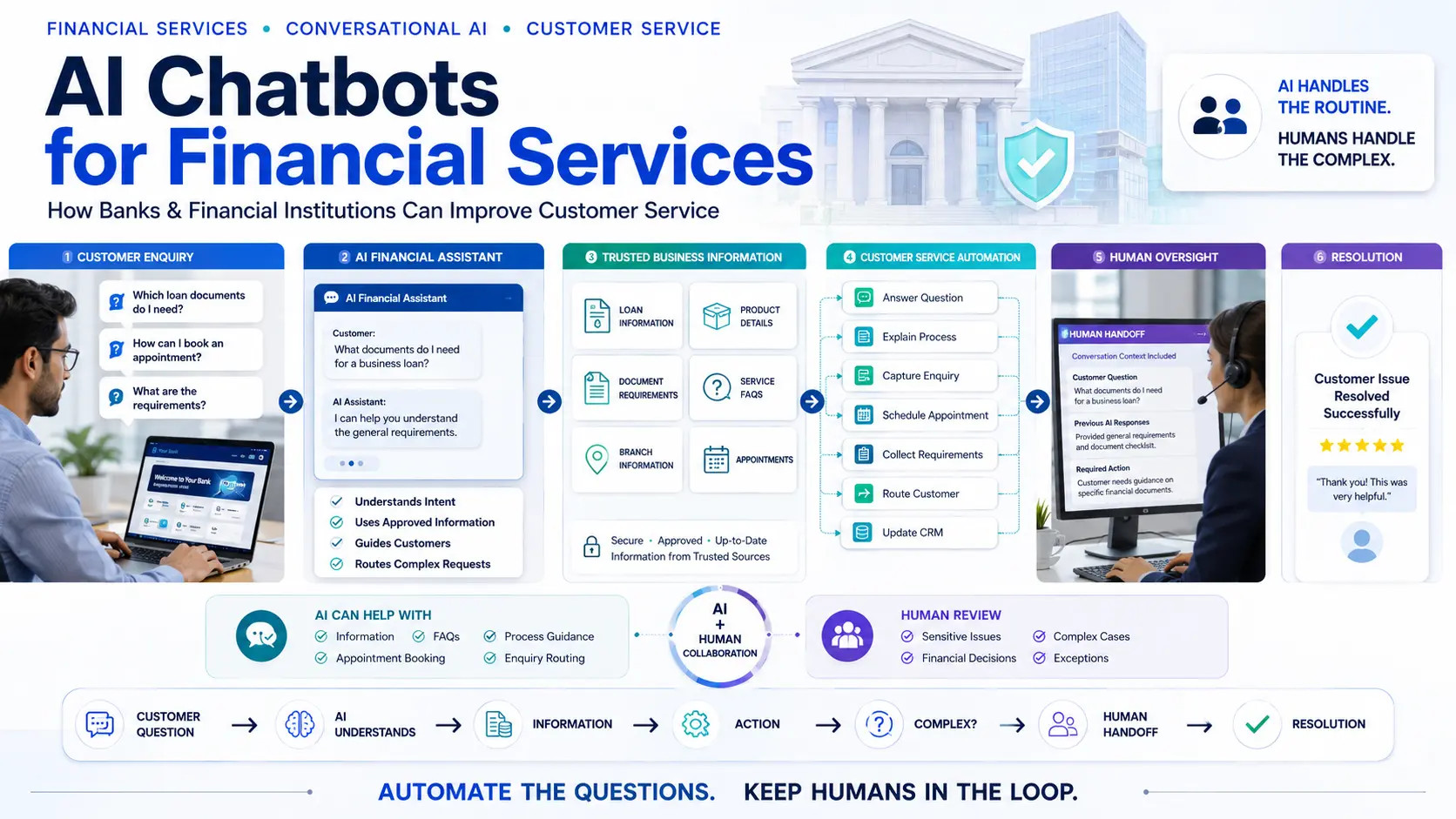
Yes, modern AI Chatbots automate customer support by instantly answering common queries, reducing support tickets, and smoothly handing over complex issues to human agents.
Can businesses use AI Agents and Chatbots together?
Absolutely. A chatbot can handle the initial customer interaction and capture a lead, while a background AI agent can then qualify that lead, update the CRM, and schedule a meeting.
What is the difference between ChatGPT and an AI Agent?
ChatGPT is an LLM designed to generate text based on prompts. An AI Agent uses LLMs as its brain but also has access to tools (like APIs, browsers, and databases) to independently complete tasks.
What is the future of AI Agents?
The future of AI Agents is 'multi-agent systems' where specialized agents collaborate with each other and human teams to manage entire business operations autonomously.
Conclusion
Understanding the difference between AI Agents vs AI Chatbots is the first step toward true business automation.
If your immediate pain point involves missed leads after hours, high volumes of repetitive support tickets, or low website conversion rates, an AI Chatbot is what you need. AI agents are incredibly powerful, but they solve operational problems, not customer-facing ones.
Start Converting Visitors with Quillive
Ready to implement an AI Chatbot built specifically for lead generation and customer support? Launch Quillive on your website in minutes.

Quillnext Team
The Quillnext Team specializes in exploring the intersection of artificial intelligence, business automation, and customer experience. We provide actionable insights to help businesses scale efficiently using modern AI tools.
Visit Quillnext →